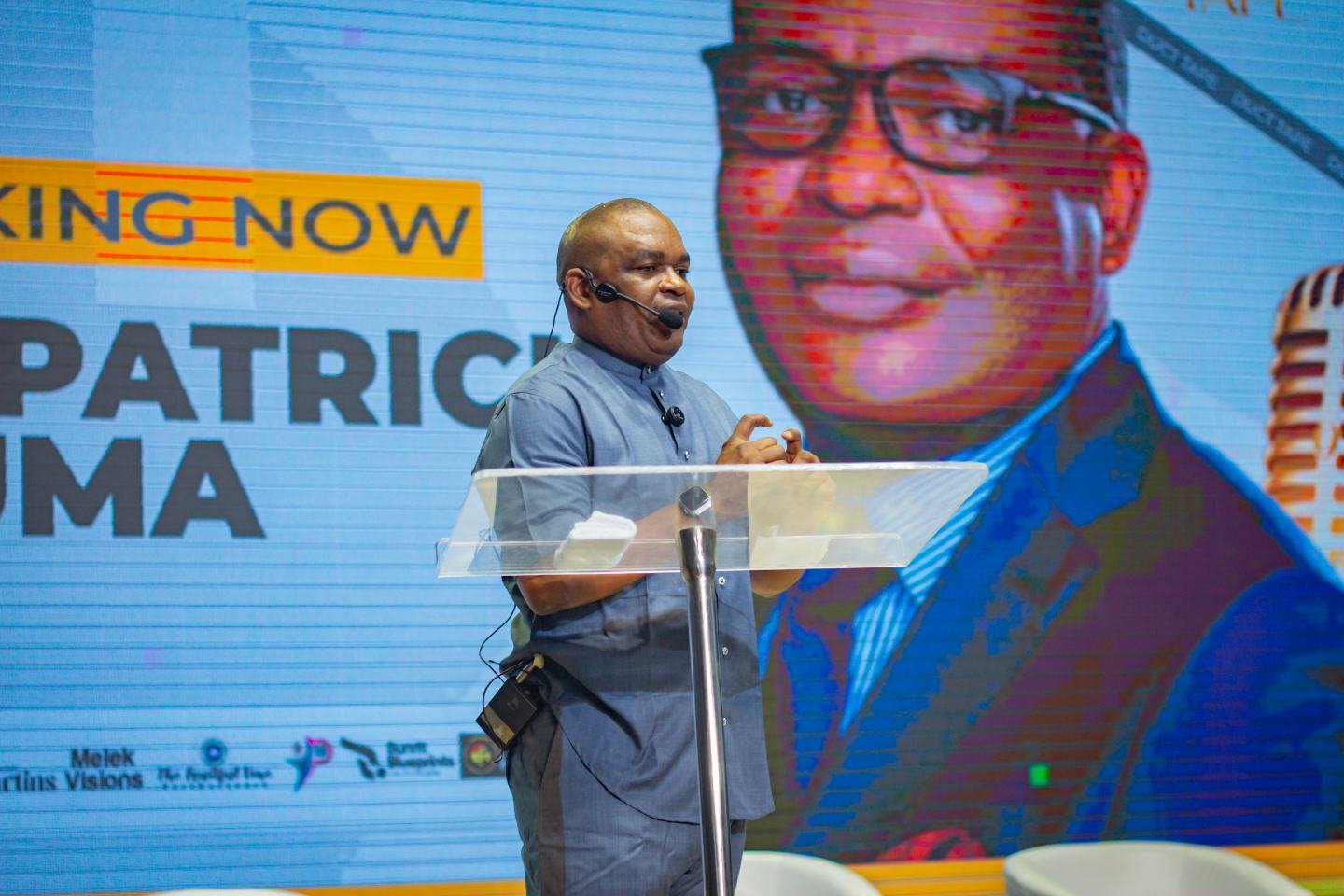
LEADERS' MENTAL MODELS
Mental models are deployable mental attitudes that influence, govern, and often determine our leadership style. Understanding these models helps unpack the hidden conscious and unconscious states that breed strength or weakness and directly impact the hallmarks of our leadership.
As Carl Jung observed, “When the unconscious is not made conscious, it continues to rule.”
Many leadership struggles emerge from unrecognized inner mental states. When the inner basement becomes the powerful director of one's life, it ceases to be a tool and becomes the master. Intentionality, attention, and energy therefore become instruments through which the inner state is exposed.
The purpose of this discourse is to zip up our interior landscape—to examine the internal structures, beliefs, wounds, assumptions, and conditioned patterns that have historically shaped our responses and leadership expressions. The objective is to move the leader from the orbit of conditioned thinking into intentional consciousness, wholeness, internal order, and purposeful leadership.
THE 4S OF MENTAL STATE
1. SURVIVAL MODEL
The Survival Model represents the basic era of leadership characterized by insecurity, uncertainty, incompleteness, and external dependency. Leadership at this level is heavily driven by attainment, pressure, status, external approval, validation, and social conditioning.
Its hallmarks are predominantly facts, fears, and feelings without sufficiently established inward standards, internal governance, personal laws, or clarity of conviction.
At this stage, the leader is driven by survival strategies: forcing outcomes, controlling people and circumstances, taking shortcuts, and sometimes compromising principles to secure personal advantage.
This model can create an appetite for dishonoring the sacredness and beauty of trust. It can become a breeding ground for unethical enrichment, abuse of office, distortion of authority, manipulation, and transactional relationships.
The underlying driver is often not actual lack but imagined insufficiency—a manufactured sense of inadequacy that produces self-doubt, anxiety, insecurity, and fear about the future.
This is problem-pressured leadership: leadership driven by what must be acquired, protected, recovered, or proven.
It is predominantly performance-based and heavily dependent on external rewards, recognition, returns, and validation.
Core question:
“What must I get or protect in order to be secure?”
2. STABILITY MODEL
The Stability Model represents a fundamental shift in mental formation. The leader is no longer merely driven by external pressure but is increasingly led and inspired by an awakened awareness of inner richness, capacity, possibility, truth, trust, love, creativity, service, and purpose.
This model is not dependent upon external pressure, prejudice, applause, or approval. It is centered on principles, divine and life laws, character, internal order, personal standards, and guiding convictions.
The stable leader does not easily drift into despair or compromise the purity of intention and conviction because leadership is anchored beyond immediate expectations.
Its fundamental structure is built around maintaining law and order in ways that promote:
* Trust and generosity
* Love and kindness
* Strength and sound judgment
* Beauty and balance
* Consistency and devotion
* Humility and honor
* Connection and alignment
* Presence and meaningful manifestation
The Stability Model empowers a perception of life and leadership that produces fulfillment from within rather than constantly demanding satisfaction from external circumstances.
Core question:
“Who am I becoming, and what internal principles must govern how I lead?”
3. SUSTAINABILITY MODEL
The Sustainability Model emerges when stability becomes sufficiently developed to produce consistency, resilience, adaptability, and capacity.
Nature tends to enrich sustainers—those who possess the mindfulness and discipline to preserve, multiply, and improve what has been entrusted to them.
The sustainer operates from a state of being stable, strong, secure, sound, solid, and internally ordered.
This is not merely about surviving or maintaining the status quo. It is about developing the depth and adaptability required to remain fruitful across changing environments.
The sustainable leader is internally sufficient and externally productive. Such leaders do not merely consume what is provided; they add value to whatever they encounter.
They possess what can be described as the “wisdom of the other boat”—the ability to look beyond the immediate resources available and ask:
“What else can I contribute to make this system better?”
Like the wise virgins who prepared beyond the immediate moment, sustainable leaders understand preparation, multiplication, stewardship, and foresight.
They become extra-milers.
Whether in relationships, families, organizations, communities, or friendships, they are faithful to their internal order and values. They do not merely preserve systems; they enrich them.
They bring brighter ideas, innovation, resilience, adaptability, and additional capacity.
Core question:
“What can I add, multiply, strengthen, or preserve so that what I lead can continue to thrive?”
4. SELF-EXTENSION MODEL
The Self-Extension Model represents the climax of interior stability and sustainability.
At this level, leadership becomes an expression of an internally integrated self. The leader is no longer primarily concerned with proving worth, protecting identity, or merely maintaining what already exists. Instead, leadership becomes an intentional extension of the values, wisdom, capacity, and consciousness that have been cultivated within.
Self-extension is the movement from self-development to self-expression and ultimately to self-transmission.
The leader understands that true leadership is not simply about what one can accomplish personally but about what can continue to exist, grow, and multiply through others.
This leader refuses to be imprisoned by inherited expectations, conditioned limitations, historical wounds, or the boundaries of conventional thinking. Rather than allowing reality to dictate the full range of possibility, the leader engages reality with imagination, wisdom, responsibility, and intentionality.
Self-extension does not mean rejecting reality. It means expanding the possibilities within reality.
The leader becomes a source of capacity for others.
They transfer knowledge, create opportunities, develop people, establish systems, build institutions, and cultivate environments where others can discover and express their own capacity.
At this level, leadership moves from:
“What can I achieve?”
to:
“What can I cause to exist?”
And ultimately:
“What can continue to flourish even when I am no longer present?”
The Self-Extension Model therefore produces leaders whose greatest evidence of success is not personal visibility but multiplication.
Their presence creates presence in others.
Their strength creates strength in others.
Their wisdom produces wisdom in others.
Their order produces order in others.
Their leadership becomes larger than their personality.
They become architects of continuity, custodians of possibility, and transmitters of values.
THE FOUR LEVELS OF LEADERSHIP MOVEMENT
Survival — I must secure myself.
Stability — I must govern myself.
Sustainability —I must strengthen and multiply what I have been entrusted with.
Self-Extension — I must create, develop, and release capacity beyond myself.
The ultimate maturity of leadership is therefore not measured merely by position, possessions, recognition, or performance.
It is measured by the quality of the internal world from which the leader operates and the quality of the external world that becomes possible because that leader exists.

No comments yet. Be the first to share your thoughts!